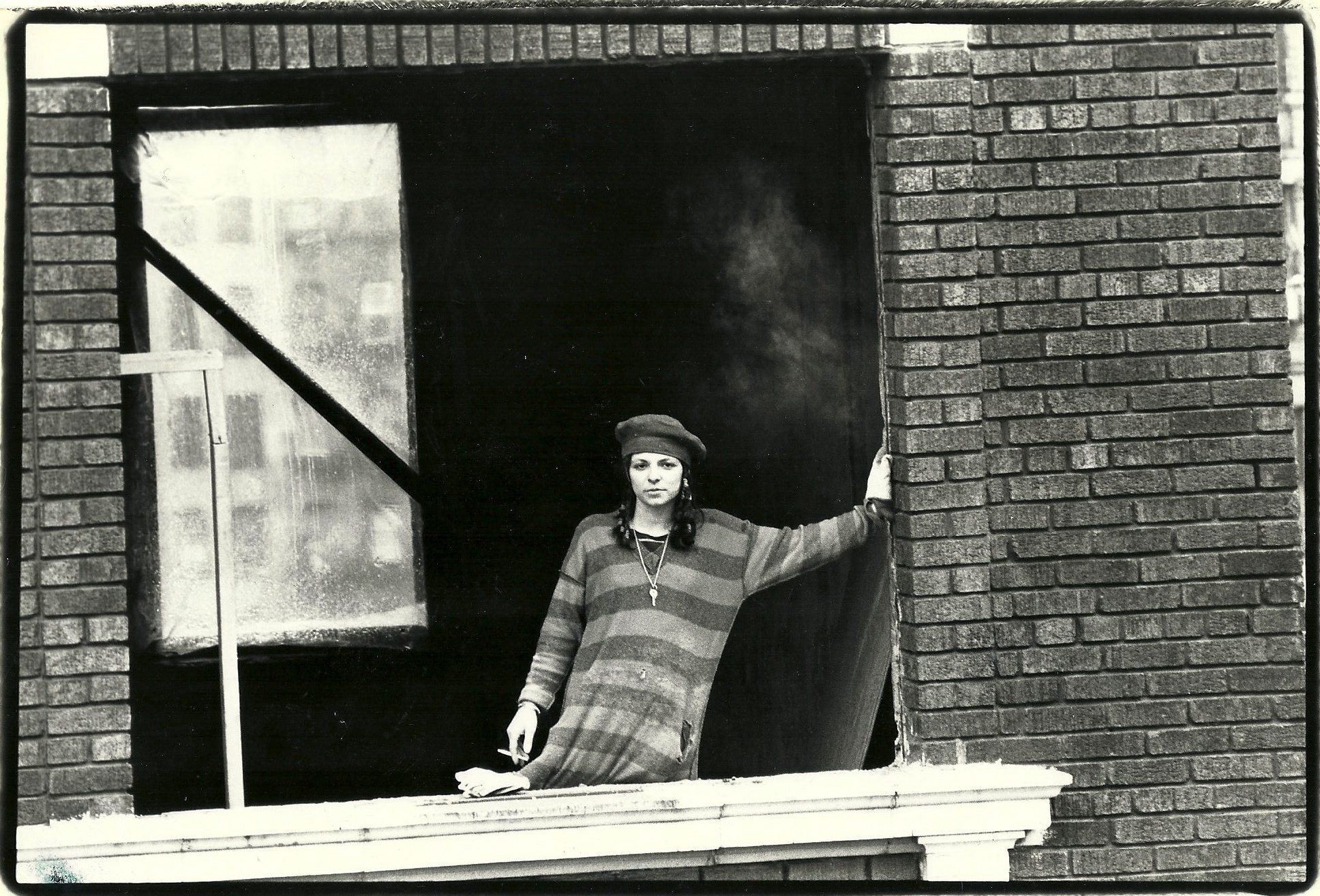
I have known Marlis since I started working on the homestead. Her building which is across the street from ours, was the first homestead building to be completed and occupied on our block. They were all moved in when we were just getting started pulling out the burnt beams. Their building was the proof that it could be done and it shone like a beacon for us. They gave us electricity and smiles of encouragement. I watched Marlis’s son grow up and she saw my daughters born and raised. It is unusual in New York to be so rooted to a place, to a particular block and also to be surrounded by people who are just as rooted. Long-time neighbors. Most New Yorkers move around. It is as though we are living the small village life even though we are in the middle of a giant metropolis – the so-called concrete jungle.
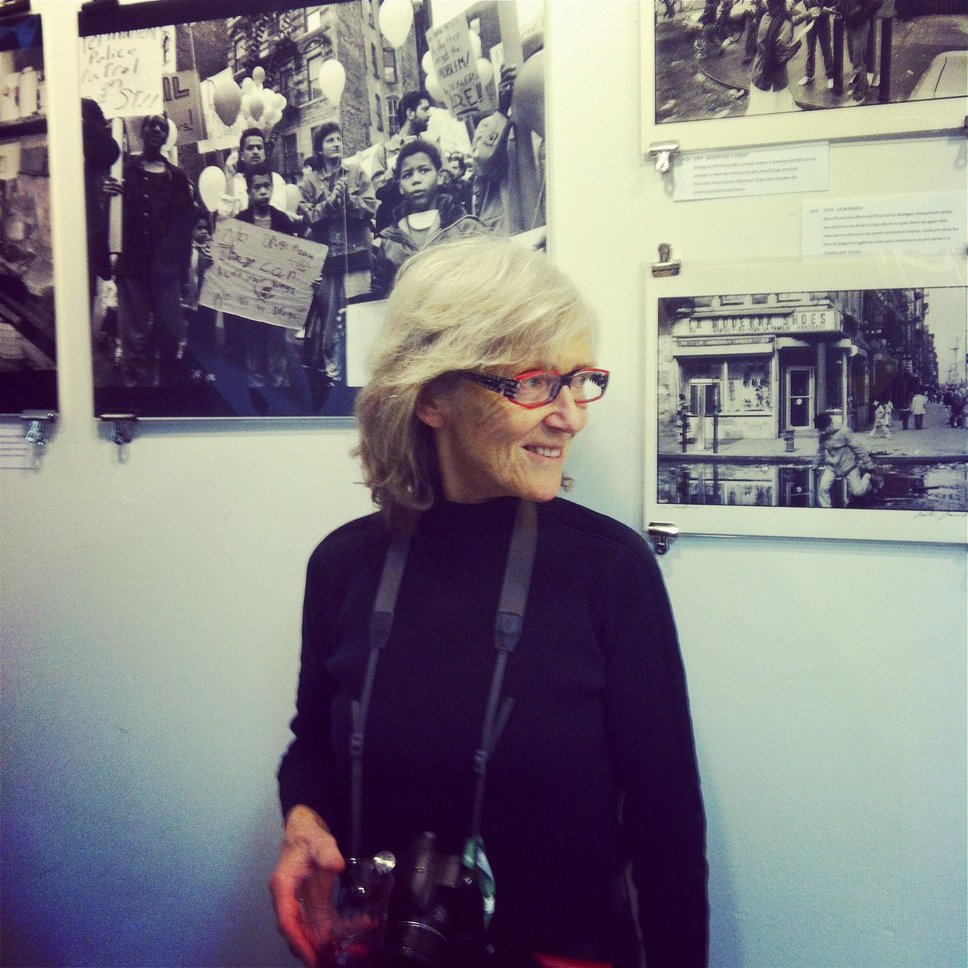
Marlis was born in the bombed out city of Berlin WWII so when she came to Loisaida in the 1970’s this was a familiar landscape. Marlis Momber’s photographs are full of soul. Yes, they have good composition and are well-crafted and her prints are exquisite. But aside from being an artful photograph, they reek of the soul. She is not a mere documentarian or onlooker – Marlis captures her subjects down to the essence. We are hers and Marlis is ours.
Below is a 10 minute clip of her 1978 film Viva Loisaida. To purchase the full DVD or prints contact her via her photography website, to see more photos go to www.vivaloisaida.org.
I have been very lucky that Marlis has photographed my family for many years.
November 1 – we are still without power and so we are at a friend’s house in Brooklyn to take a hot shower, charge all our gadgets, buy food & ice and communicate with friends and family. Below is what I wrote on October 30th that I am able to post now because I’m finally connected (for the afternoon at least).
October 30
The day after Hurricane Sandy and I’m sitting at the marble dining room table writing by the light of two candles. All I’m going to do is describe the scene. This morning I heard from neighbors that we could be a week without power. A black-out in New York City is a big deal because there are so many people so close to each other and anything can happen.
Outside, I can hear sirens from different city departments, one was a fire truck and one something else. I hear no voices outside at all which is very unusual as it is only 8pm and a warm dry night. It feels very dark without the street lights on, but it’s really not. The sky is a milky grey color. Maybe the clouds are reflecting lights from parts of the city to the north and the south that have power still. Or maybe it is the full moon. In the building across the street some of the windows are illuminated with candlelight, others with the silver light of a camping lantern. Sometimes you can see the swishing of light from a flashlight as the inhabitants walk from room to room.
There are many trees down in the neighborhood. Loisaida Avenue (Avenue C) flooded last night during the storm. The water came in from the lowest point at 14th St. They said it reached 6th Street and was thigh high. This morning all along the avenue, I saw people pumping out water from their basements with generators that somehow miraculously appeared. I mean, who thinks they need a gas generator in Manhattan?
Massive weeping willow down 6B garden
Old majestic street tree down on East 7th St
Video of the flooding on Loisaida Ave the night of the hurricane uploaded by Daniel Scott
Loisaida Ave & 8th St. Photo by S.F. Bizarro
Loisaida Ave after the flood
Loisaida Ave after the flood water
One of many flooded basements on Loisaida Ave
Weeping Willow broken Jardin del Paraiso. A pair of squirrels lost their nest and spent the day running up and down the tree very confused.
fallen old poplar tree in El Jardin del Paraiso
I take out the dogs and it is a little scary because the building’s hallway emergency lights that were so reassuring last night have run out of juice now and the stairs are pitch dark and the hallway out to the street is dark and so is the view to the street which is the most unsettling of all. The sidewalks are covered in wet matted weeping willow branches. The male dog Lolo is delighted with the plethora of fallen branches to mark while the little blind dog Millie is surprised at feeling greenery under her paws instead of the concrete sidewalk that she has mapped out so well.
Communication is bad. Those of us trying to conserve our battery power while trying to get information, must listen to radio stations reporting human interest stories and broadcasting commercials. I actually heard a story about a woman in New Jersey who drove around for 2 hours looking for a gas station. Really? The city’s twitter feeds are full of back patting and political pandering and obvious information such as the fact that the schools are closed. Wake up NYC and take a lesson from the towns upstate who brought their affected people portable power for charging their phones, wifi and dry ice.
Loisaida’s community gardens were abuzz this past weekend as the first Harvest Arts Festival kicked off. Twenty-four of the forty community gardens in Loisaida participated with music, poetry, theater, films and workshops on art, health, fun and environmental concerns.
El Sol Brillante Garden on East 12th St. Harvest Arts Festival.
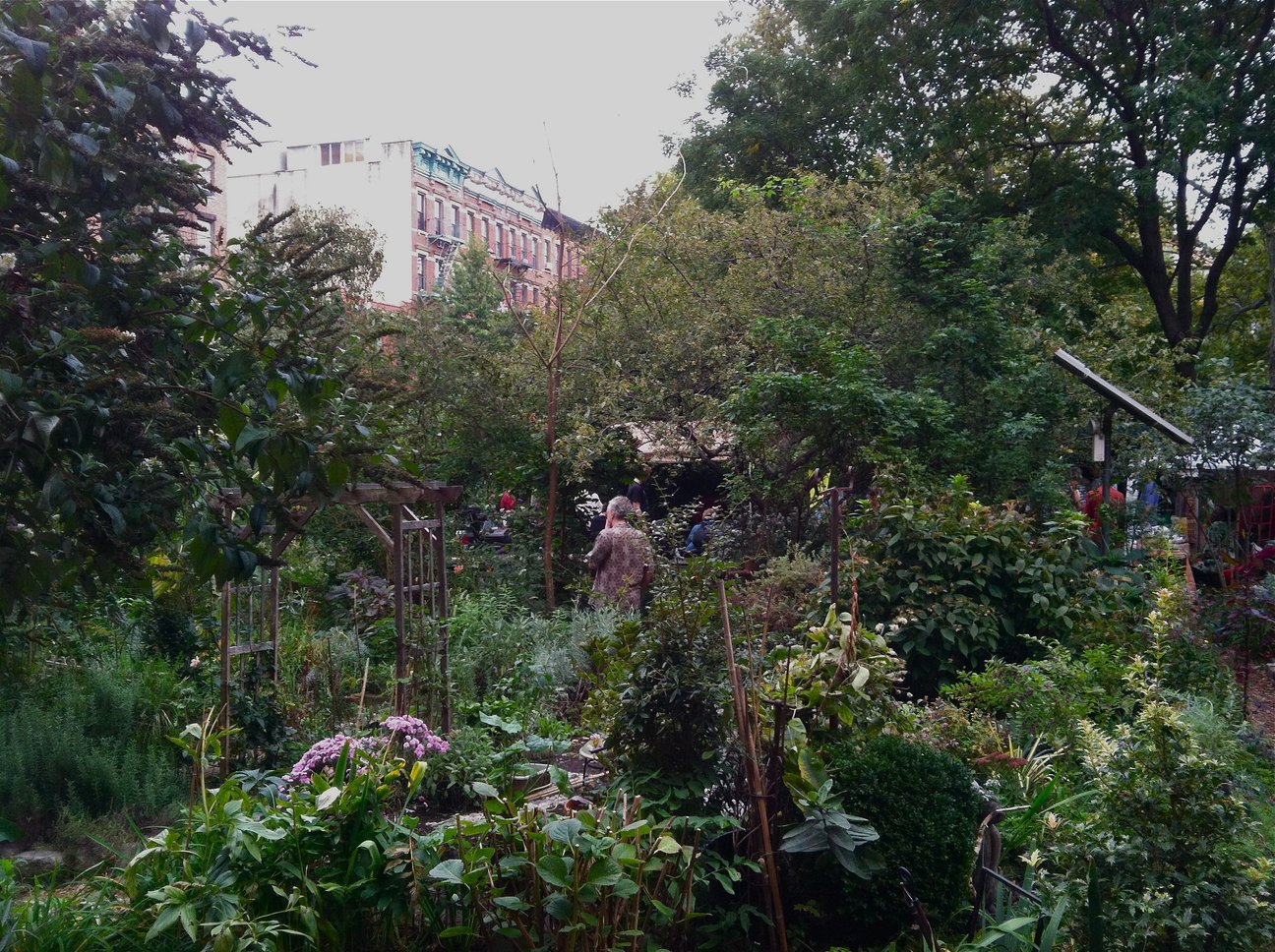
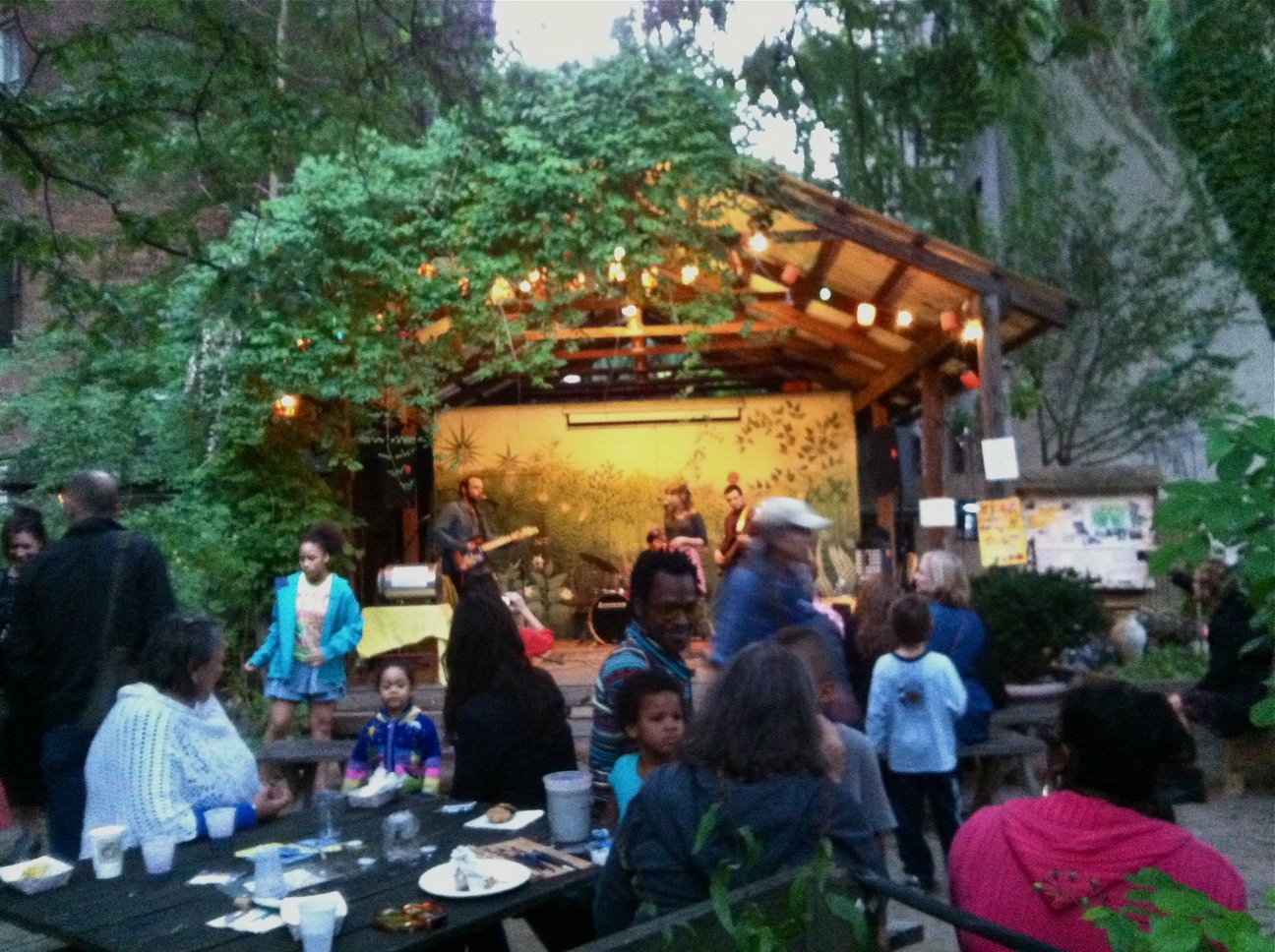
Loisaida has more community gardens than anywhere else in the city. The gardens are like little kingdoms unto themselves, so different are they from one another. Some are tiny verdant jewels tucked in between narrow tenements with gravel paths and tranquil shade gardens. Others are sprawling meadows with chickens and rabbits roaming free. Some have stages for performance, outdoor film screenings, and yoga. Others have children’s play equipment, tree houses and sandboxes. There are those with individual garden plots – some sprouting flowers and others growing food. From vacant rubble-filled lots, the gardens were created by people who banded together and occupied the discarded land – seizing the opportunity that the abandonment had created. Today, they are still cared for and grown by dedicated volunteers.
The 1st Harvest Arts Festival was organized by Loisaida United Neighborhood Gardens (LUNGS). Here is an excerpt from the program notes written by organizer Charles Krezell: “If you want to study democracy in action, don’t go to Washington, join a garden in Loisaida. These gardens are the purest form of democracy we have in this city. We are groups of people who come together for mutual purpose and try to sort out our differences. Each garden a mini-experiment in government, we come up with our own rules. Some work through consensus, some compromise, some are dictatorships, some oligarchies. They are frustrating and fascinating, dysfunctional and utilitarian all at once. There is social unrest and class warfare over where to plant the dahlias…”
The festival was so rich with activity that I actually covered only a sliver of what took place. Every garden I made it to had lots of food. A celebration of the harvest in the ancient way, with food and friends and community.
Art Rumble outside of Orchard Alley Garden
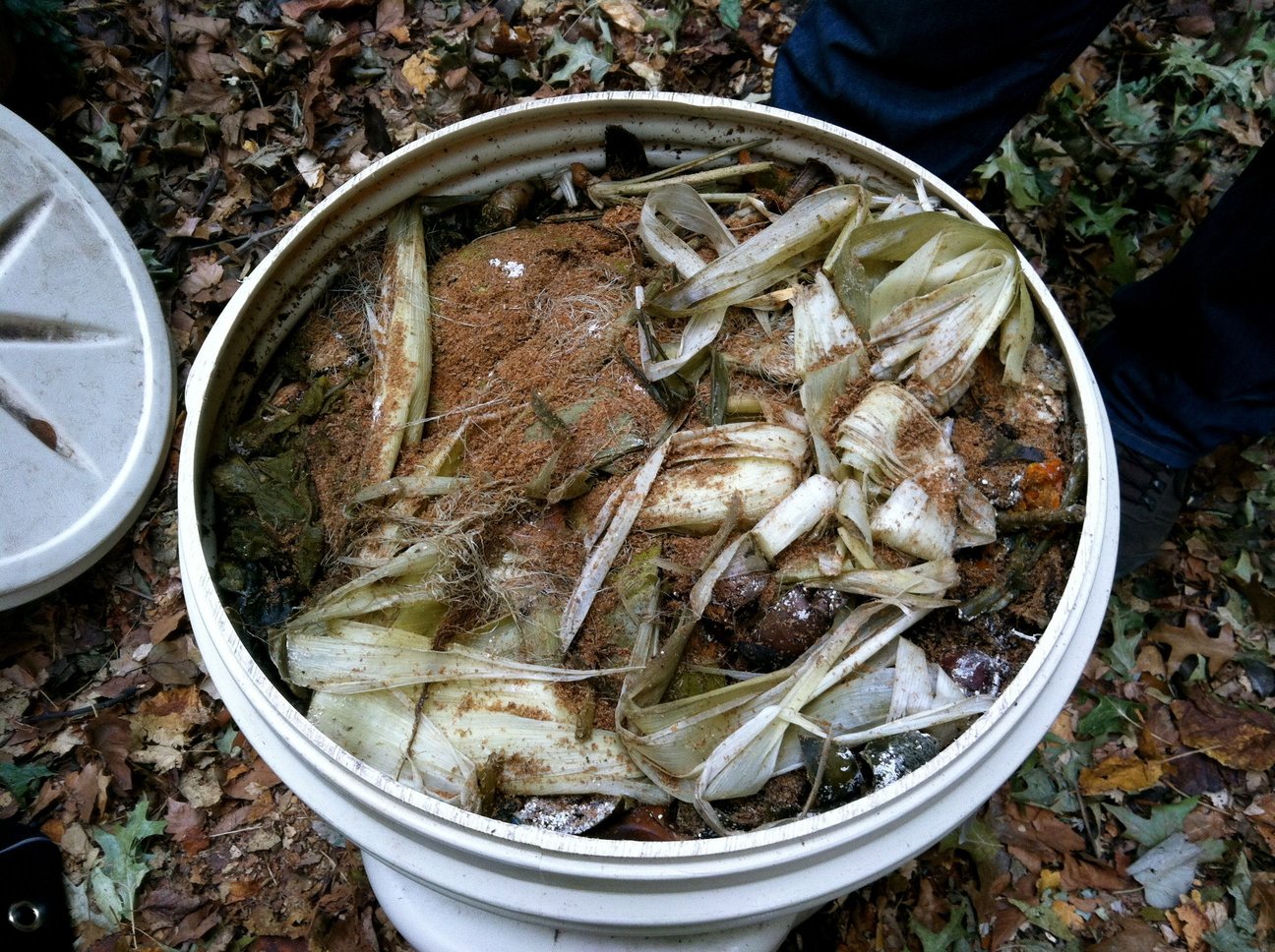
I went to a workshop on the Bokashi Method of recycling food waste for fertilizer at a beautiful corner garden on 12th St. They have a slot in the fence where folks drop off their food waste and they turn it into good soil with this method. They are now recycling tons more food waste than with the basic composting method and their garden’s soil is rich, black and teeming with earth worms.
Seed saving envelopes workshop and buttons for sale at 6th & B Garden
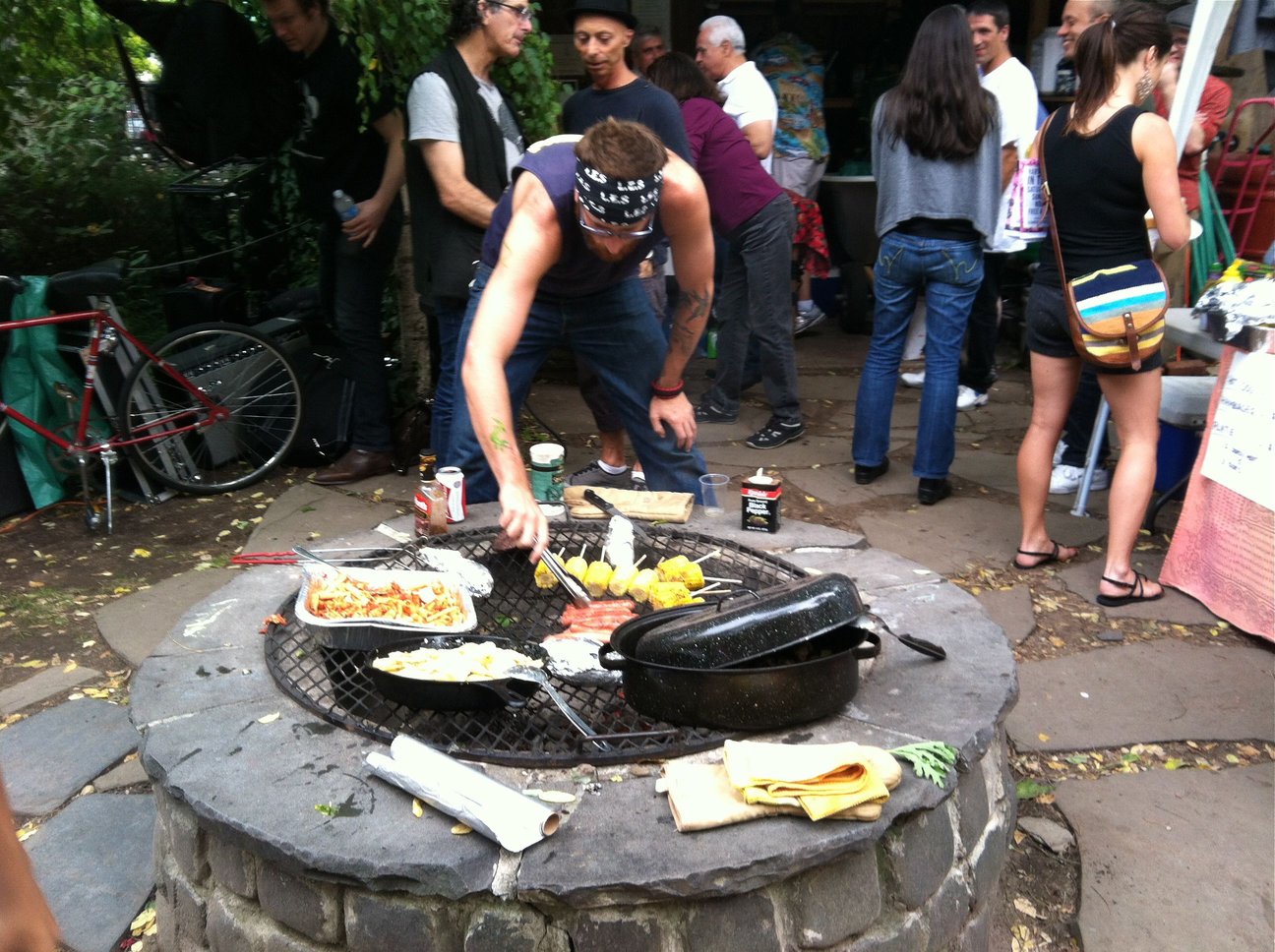
Grilling at El Sol Brillante Garden
The Campos Garden was full of whimsical “Litterbugs” made from plastic waste. They also had a really good spread of food there.
The cold snap and rain on Sunday made things fluid and performers moved to gardens with shelters. 9th and C Community Garden was one of those.
It was great to hear the honeyed voice of Odetta Hartman, a Loisaida girl accompanied by Billy Aukstik
Finally, I was lucky enough to encounter the renowned jazz musician Giuseppe Logan sitting in El Jardin del Paraiso playing “Somewhere Over the Rainbow” in the soft October rain.
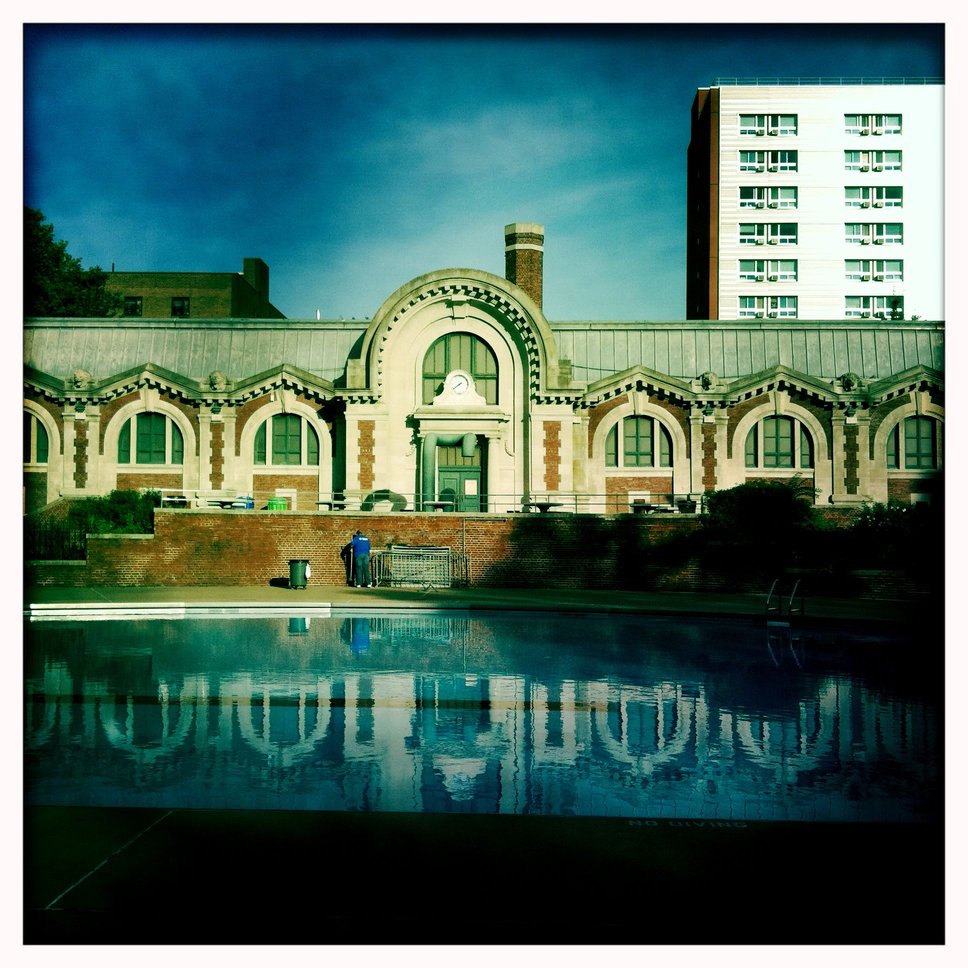
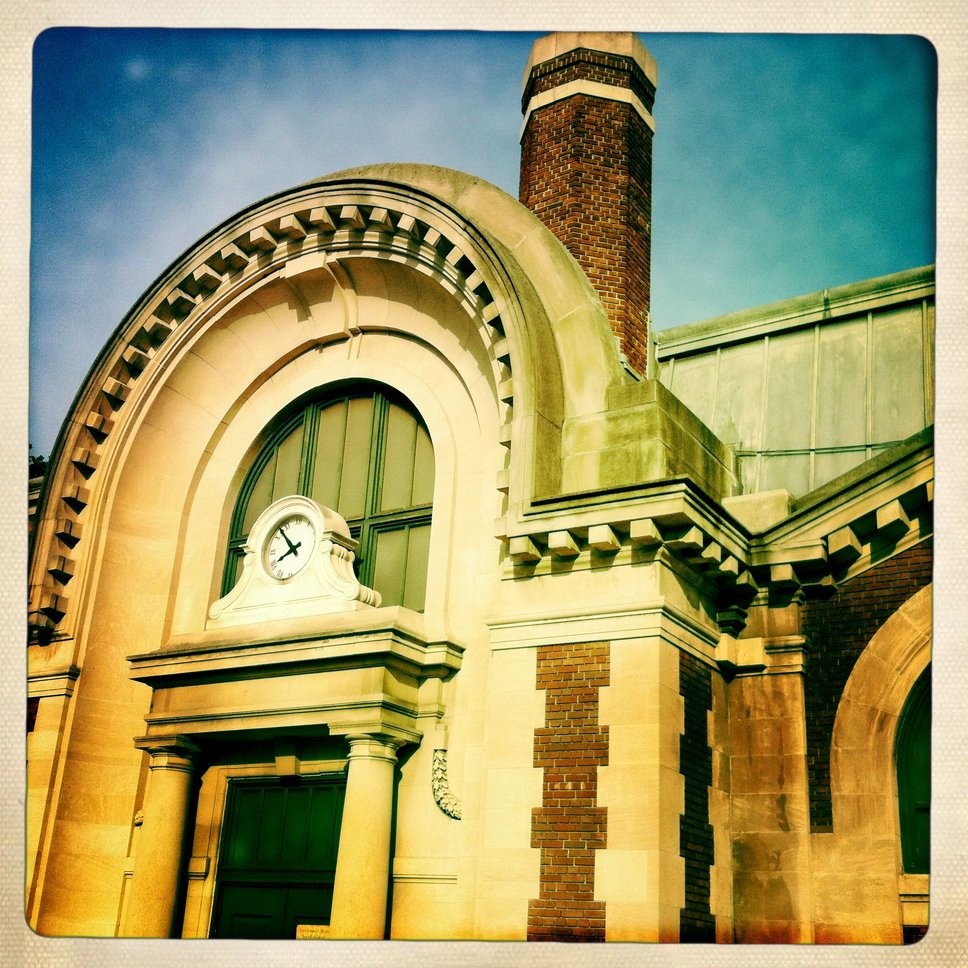
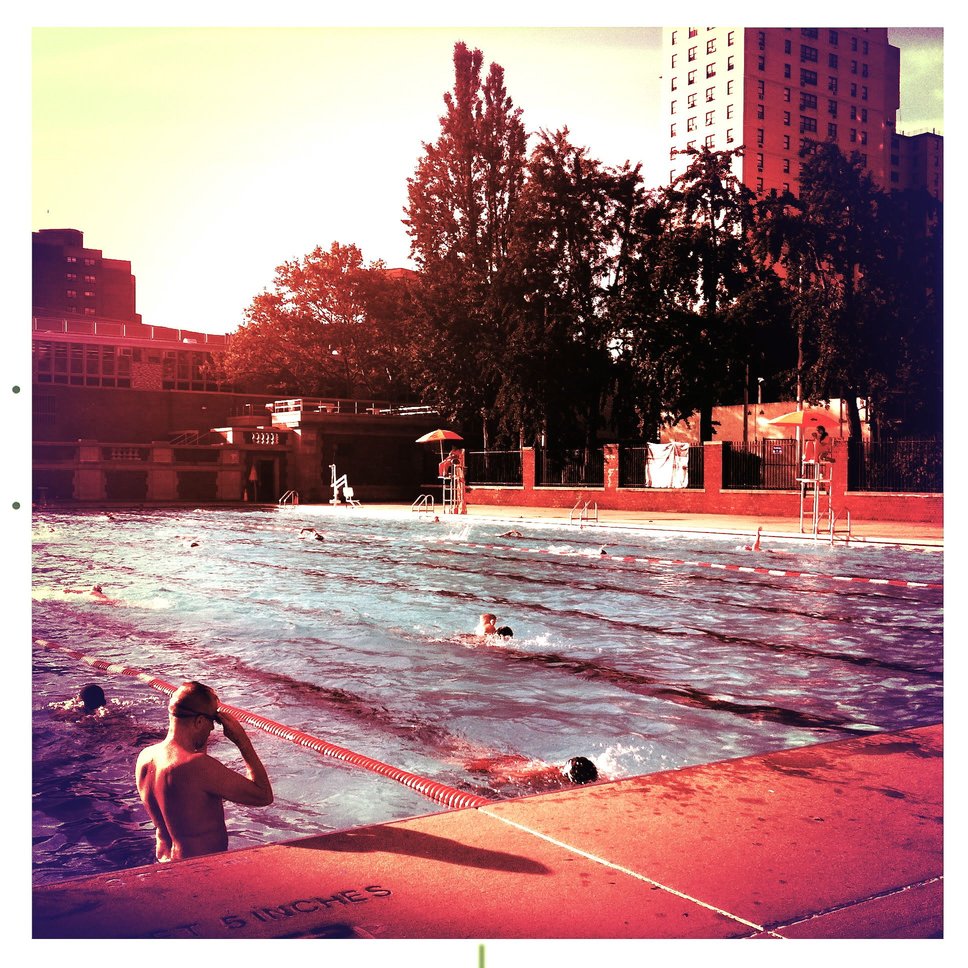
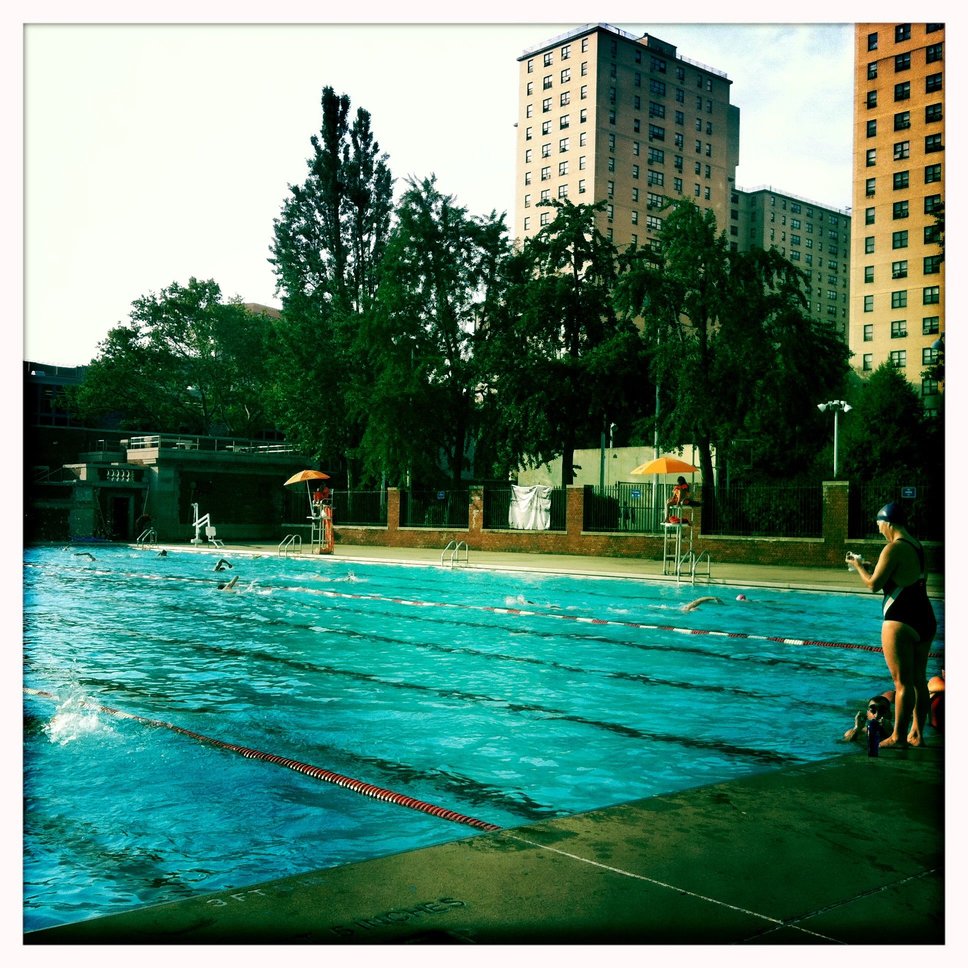
I call it the Loisaida Country Club. It is Hamilton Fish Park on Pitt Street and East Houston – also known as the Pitt St. Pool or Ham Fish for short. It is an Olympic-sized outdoor swimming pool surrounded by a park with basketball courts, playgrounds and a Beaux-Arts structure housing a community center designed in 1898 by Carrère & Hastings, the architects of the New York Public Library.
Hamilton Fish Pool in Hipstamatic: Lens: John S, Film: Blanko
Hamilton Fish clock – Lens: John S, Film: Ina 1969
At the start of the summer, right after the public schools let out, the Hamilton Fish pool opens and you see clusters of children and teens beating a path to the pool in brightly colored swimsuits and flip flops, or on their way back in the late afternoon with wet towels slung around their shoulders, their faces sun-kissed and relaxed.
Bike Parking – Lens: Helga Viking, Film: Blanko
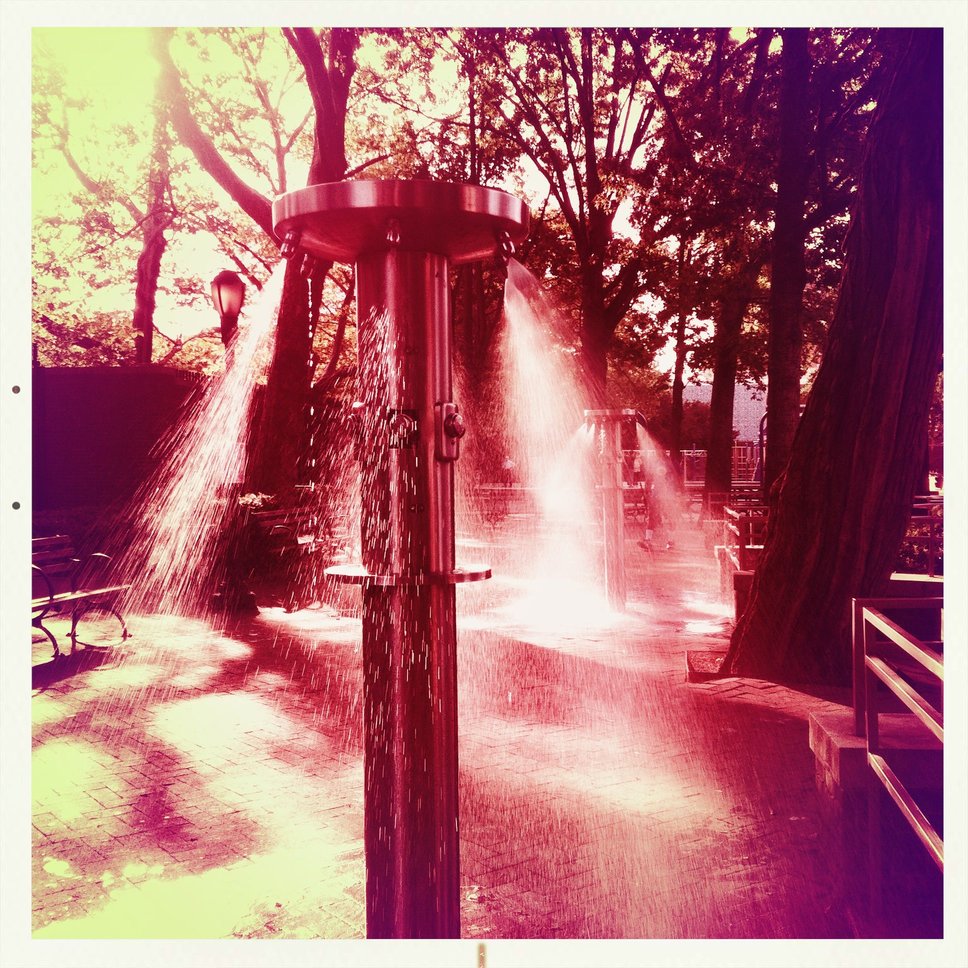
Outdoor Showers – Lens: Hornbecker, Film: Alfred Infrared
The pool, like all the other city pools has a very civilized program in the summer for adult swim – hours for purely laps, no playing or floating around. I am a big fan of the Early Bird swim and I will only miss it when there is thunder or a downpour and they close the pool.
Lens: Matty ALN, Film: Blanko
Since I’ve never been able to still my thoughts enough for meditation, swimming is the closest I’ve been able to get to it. The smell of chlorinated water signals pleasure to my brain – a Pavlovian response. The 50 meters length at Hamilton Fish is a blissfully long stretch to swim without having to turn. Plenty of time to enjoy the sight of the sun ripples in the turquoise blue water and as you turn your head to breathe, the dark green gingko trees that frame the lifeguards in their orange suits under their orange umbrellas. The rhythm of my strokes and the sound of the bubbles of my exhaling breath, gets me to thinking in a slow and focused way.
Lens: Hornbecker, Film: Ina 1982
Lens: Lucifer VI, Film: Alfred Infrared
I run into a lot of my neighbors at the Loisaida Country Club. Some are swimming friends that I only run into at the pool year after year. One summer when I missed weeks of swimming, one of my swimming friends actually hunted down my phone number to call to see if I was okay. There is a comforting routine to it all. Swimmers come at the same time every morning and mostly swim in the same lanes. Scott always does sun salutations before his swim. Robert likes the water icy and complains when it’s too warm. I asked Barbara who bikes over from Williamsburg why she doesn’t go to the newly renovated McCarren pool. Isn’t it an Olympic sized pool, I ask? Yes, said Barbara, “But they make you swim the short way, 25 meters”. That’s stupid, I responded. “Yes, it is”, says Barbara, “25 meters is indoor pool”.
Lens: John S, Film: Blanko
All the photos in this post were shot with the Hipstamatic app. I love it because it is like the old film cameras in both effect and the delightful surprise of the results. A great resource is Schmutzie’s Hipstamatic Lens, Film and Pak Guide.
In the middle of New York City, I can hear bullfrogs and see fireflies at night in the summer from the community garden next to our building. Until the kabosh came down, for many years we woke to the sound of roosters crowing. The garden had been a rubble-strewn lot that was reclaimed by the community and became a park (click here for early history and photos). As soon as the green took hold, children flocked to the garden. It was a good place for playing tag and red rover and climbing trees. The mulberry tree feeds neighborhood kids every June with organic berries. They perch on the branches like birds focused on berry picking with their mouths and fingers stained purple.
Oona – Rites of Spring celebration. Photo: David Schmidlapp.
Oona – Rites of Spring celebration. Photo: David Schmidlapp
The elementary school on the block holds classes in the garden. One year the students constructed a weather station that I thought was brilliant and I would watch from the window as they measured the wind and humidity and jotted down data in their notebooks. The children identify plants and test soil and study in the sun.
Photo: David Schmidlapp
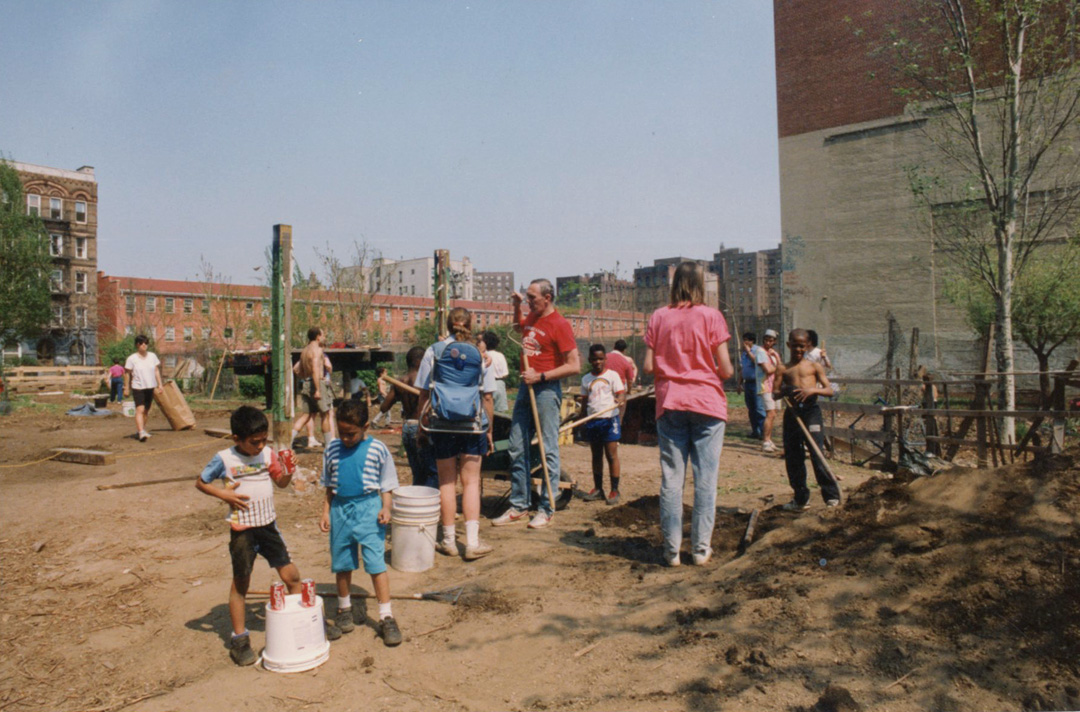
Children have always helped with the work in the garden, because they like the dirt and moving rocks around.
Photo: David Schmidlapp
Photo: David Schmidlapp
Camelia and Julie on a garden workday
By the year 2000, the garden had turned the corner. It became lush and wild. The dirt was soil and not brick dust. Things grew by themselves. Wild birds and firefiles came. You can smell the dirt and the green as soon as you approach El Jardin. You can hear crickets in the middle of Manhattan.
Rumor has it that this lot is up for grabs because it is owned by the city. A beautiful spot on Houston St. between C&D. Take it people! Bring some dirt.
It is said that ten tenement buildings stood where El Jardin del Paraiso now grows. When I first saw it, El Jardin was called an empty lot and it was a desolate place. It was clear to the eye that anything that once existed here had been razed and pulverized in a brutal fashion. The ground was nothing but fine brick colored dust.
The first twinkling of reclamation came in the form of a wooden platform where homesteaders sat in the sun to eat lunch and drink a cold beer after a hard day’s work in the warm summer months. There was also a primitive swing set for children that was two wood boxes that held a frame for the swing. Medieval-like wooden structures in a sea of tenement dust. One of my favorite memories is the sight of Camelia at three years old in the early garden barechested and clad in a pink lace skirt working hard with a tiny rake.
Once the reclamation began there was no stopping it. Raised garden beds arose in a corner of the lot. A teepee was built. It spread. People dug, watered and planted. The roots of weeping willows drank from the underground springs you saw bubble up when you dug deep enough.
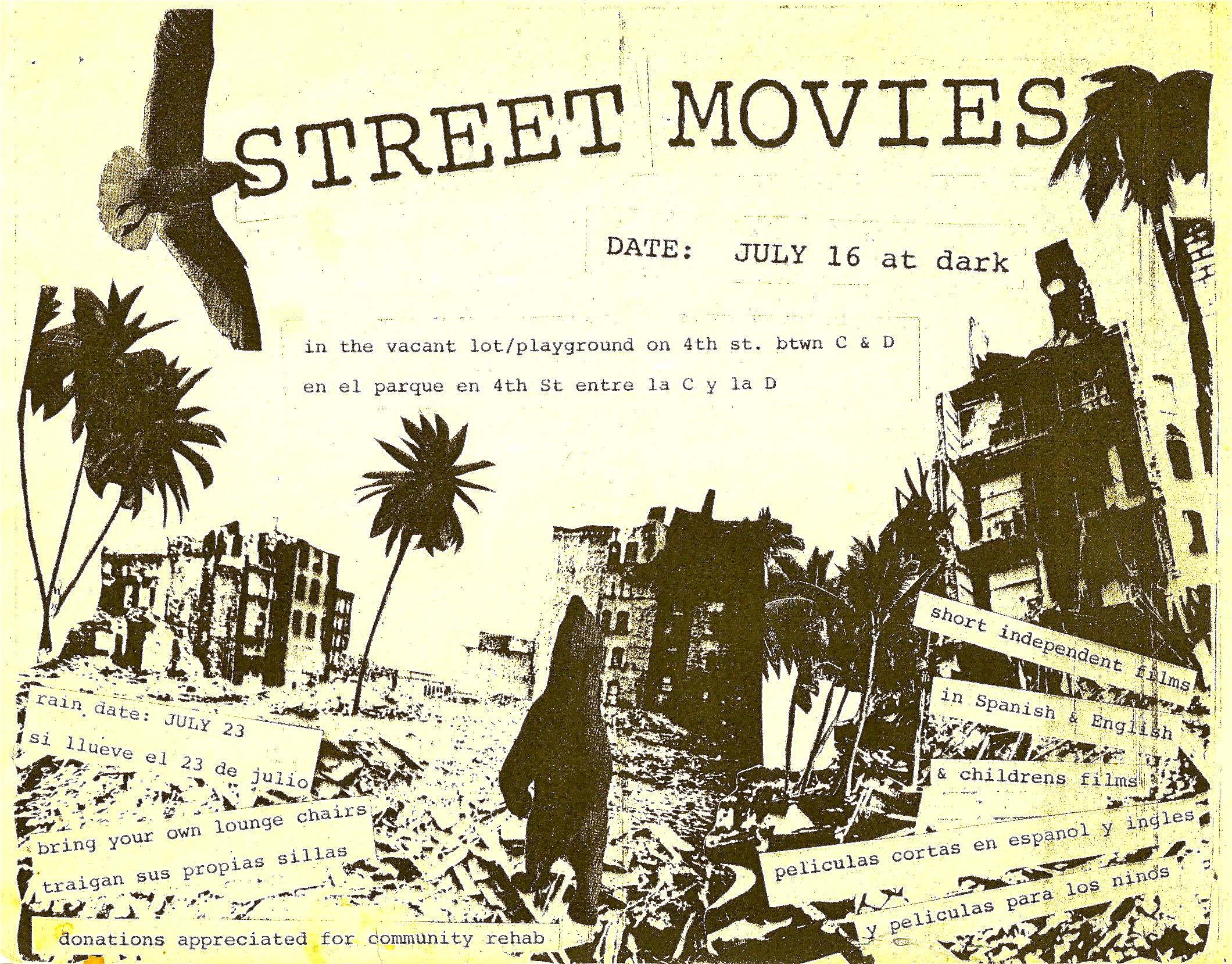
People tapped into the electricity from the streetlights and connected amps for concerts and projectors for film screenings on warm summer nights. The renaissance had begun.
I brag about my children. It’s fun. It comes from being proud of them. The next best thing to bragging about your children is bragging about their friends.
Elle King and my daughter Camelia became friends in high school. Now I feel sure that Elle King will become a superstar. Her debut EP will be released on June 12th. Currently, she has three songs on iTunes including “Playing for Keeps” which has been selected as the theme song for a new TV Show “Mob Wives Chicago”.
Elle King has a molten voice and eyes as blue as the Mayan cenotes. If I had to use one word to describe Elle, it would be – EXHUBERANCE. I remember the college road trip we took in upstate New York. Elle and Camelia spent hours in the woods building a fort. Later that night when we were sitting around a bonfire, they laughed about how into it they were, hardly talking while they worked, intent upon building that fort like children, schlepping wood and sweating under their jackets in the cool autumn air. Elle does everything “with feeling”, so no wonder her music is so true.
I hope that the next time Elle plays New York, she will invite me backstage. I will bring her roses, and then I will delight in bragging about that. cierto.
I love this video of her singing “Ain’t No Sunshine” by Bill Withers.






















 Loisaida Nest