summer’s end

I spent the summer in a 1976 Marlette trailer home in the northern Catskill mountains. Our rural homestead is totally off the grid, without electricity (until this summer) or running water. I love that when you stand at the mailbox and look down the road, you don’t see any electrical poles. It makes me think, what a pristine place, so pristine that I once saw a fisher cat cross the road in full daylight. A fisher cat is a creature so wild that it only exists in a place where nature is in balance and the forests are deep. At the end of summer, yellow goldenrod in full bloom grows thick on the side of the road and the colors of the vegetation change and take on a muted hue – soft purples and maroon start to appear among the lush green leaves.

This summer we installed an off the grid solar energy system (more on that to come), we made a lot of good meals, getting our vegetables from our neighbors “honor system” style roadside stand and our eggs and meat from our friends at Heather Ridge Farm. I am now spoiled by the eggs with bright orange yolks laid by happy hens who peck in a garden eating bugs and other good things. We gathered with beloved friends around bonfires and listened to the coyotes at night. We swam in the inky black water of ponds as smooth as glass and in swimming holes underneath waterfalls. The smell of the last hay harvest was always in the air.

So long summer – see you next year.

Marlette trailer

Marlette trailer

Morning mists at Heather Ridge Farm

Morning mists at Heather Ridge Farm

Eggs from Heather Ridge Farm

Eggs from Heather Ridge Farm

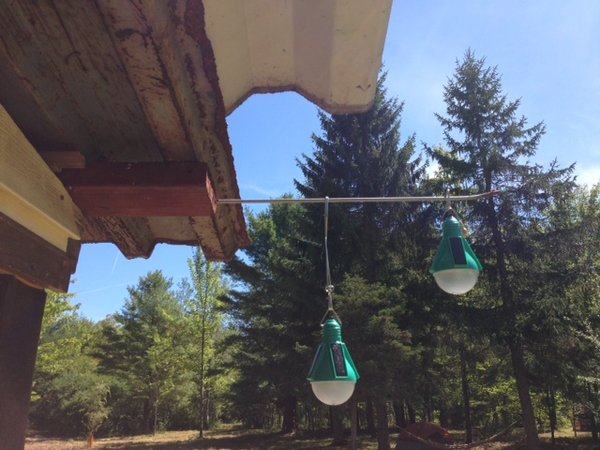
The sun charging our Nokero solar light bulbs

The sun charging our Nokero solar light bulbs

Twilight in the hayfield

Twilight in the hayfield

David, Frank and Oona

David, Frank and Oona

the magical garden on east 6th street

There are many spots in New York City where you can feel transported to another place and sometimes even another time. Mostly it happens in indoor spaces. You walk into a tiny Vietnamese restaurant and all of the sudden you could be in Hanoi, eating Pho from a steaming bowl on a stainless steel counter under the florescent lights. Or you could be in an indoor market examining the baskets full of guava and fresh tamarind pods as you feel up the avocados trying to find two that are ripe enough for today’s dinner and you could easily be in Mexico City. Rarely can you be transported from an outdoor space, because New York is so very New York.

6BC Garden in all its glory

6BC Garden in all its glory

There is a community garden on East 6th Street that does transport me – to England I go. It is what I imagine a garden would look like in someone’s big backyard. It is not manicured like a formal garden of the upper classes, but exuberant and lush. I read once that there are people in England who like to tend their gardens in the nude. I think that it is the kind of garden a naked gardener would have. A wannabee formal garden that is a tiny bit wild.

A tiny lily pond

A tiny lily pond

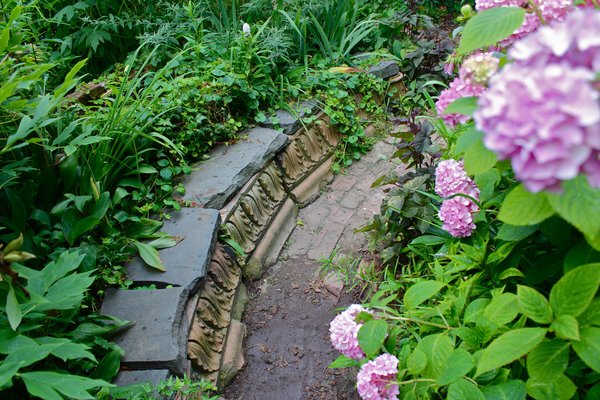
When the gardeners took over the abandoned spaces in Loisaida and began to transform them, they salvaged the rubble. They used the brick and the broken pieces of ornate cornices carved in brownstone and limestone from the fallen buildings. The brick paths in the garden and the flowerbed edges are from pieces of fallen tenements. The buildings live on nestled in the good dirt.

a bench for contemplation

a bench for contemplation

brick path

brick path

rockaway beach after the storm

Last summer we rediscovered Rockaway Beach. It’s easy and cheap to get to, just a couple of subway trains, then a couple of blocks and you are on the boardwalk. Nothing like the odyssey of getting to Jones Beach where you have to take the subway to Penn Station to take a Long Island railroad train, get on line to buy a ticket for that,  and then a shuttle bus to the beach. The wait for these vehicles on the way back feels so long when you have sand in your sneakers and you are sleepy from the sun.

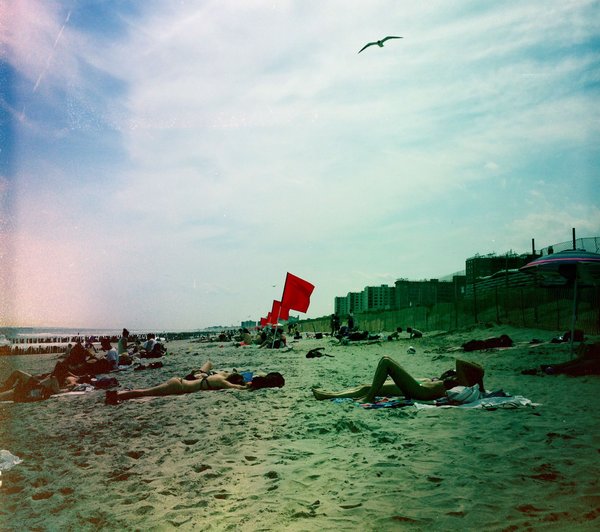
hipstamatic: john s. lens & dixie film

hipstamatic: john s. lens & dixie film

The ocean at Rockaway is clean and the surf is strong. The crowd is what you will only encounter in New York. Teenaged boys with their bathing trunks slung down under their butt cheeks with underwear over top. Large families with multiple umbrellas and gigantic coolers on wheels that they pull over the sand. Women in hijab and flowing tunics with their pants legs tied tight under their knees as they cool their legs in the salt water. Tattooed girls in high waisted bikinis with scarfs over their florescent colored hair to keep the sun from fading it.

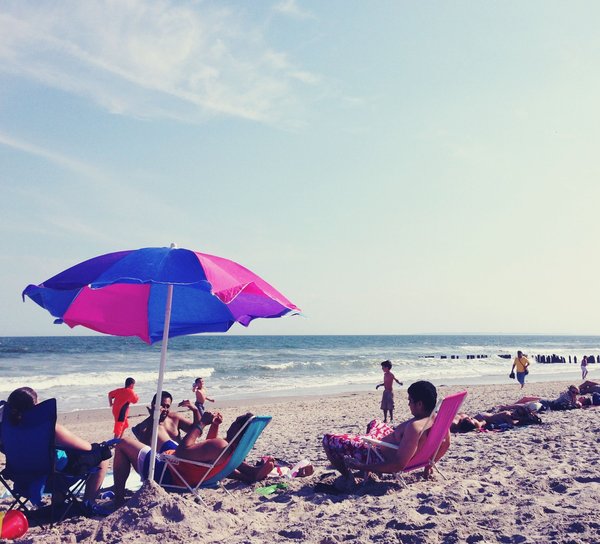
hipstamatic: john s. lens & dixie film

hipstamatic: john s. lens & dixie film

We are on Beach 97. The sun warms your skin in between the little puffs of cool breeze that blows in from the ocean. There are dads playing catch with small children using Frisbees, footballs and softballs. I think to myself, “someone is going to get bopped in the head”. But New Yorkers are so used to moving in their own spaces within a crowd, that it never happens. The water is still icy, so the only people in it are the surfer boys in neck to toe wet suits and little children who hinch their bodies upwards when the cold seafoam hits their ankles.

hipstamatic: helga viking lens & blanko film

hipstamatic: helga viking lens & blanko film

hipstamatic: john s. lens & blanko film

hipstamatic: john s. lens & blanko film

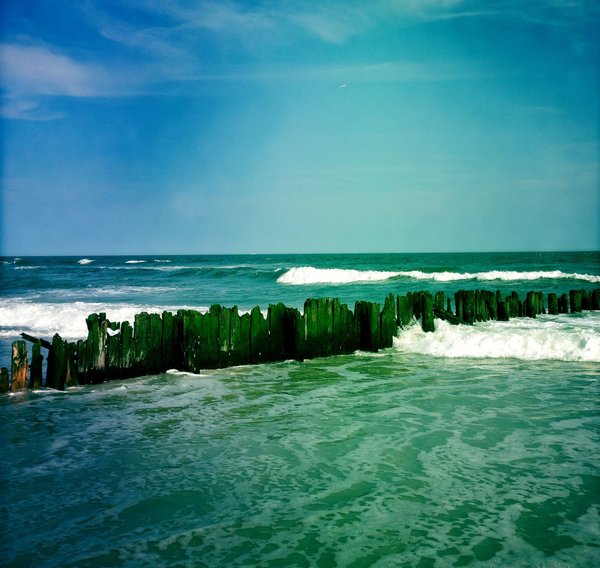
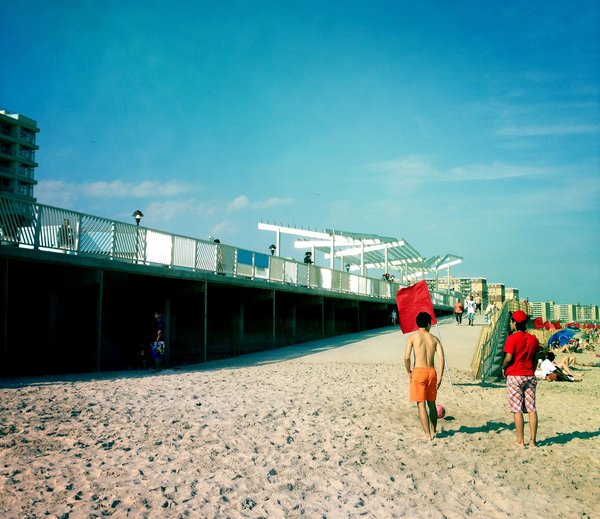
Last summer, before Hurricane Sandy, the boardwalk here had a lively scene with bike rentals, food stands and live music. The boardwalk with its faded grey wood in a beautiful chevron pattern was destroyed and swept away by Hurricane Sandy. The old plank wooden stairs leading down to the sand are being replaced by a sloping concrete ramp. The sights of rebuilding were everywhere. It was a good thing to see.

new boardwalk ramp. hipstamatic: john s. lens & blanko film

new boardwalk ramp. hipstamatic: john s. lens & blanko film

For an article with interviews from residents on the rebuilding see: Rockaway Resurrection: Rebuilding the Beach After Hurricane Sandy.

the robin’s nest

As spring turns into summer, we begin to spend more time in our rural abode in the Catskill Mountains of New York State. More of my posts will be from there this summer. We have a trailer from the seventies that is just the size of a New York City apartment set on a wide meadow surrounded by a pine forest. We are off the grid with no electricity or running water. I call us people of extremes, equally comfortable at both edges of city and country.

June 14, 2013

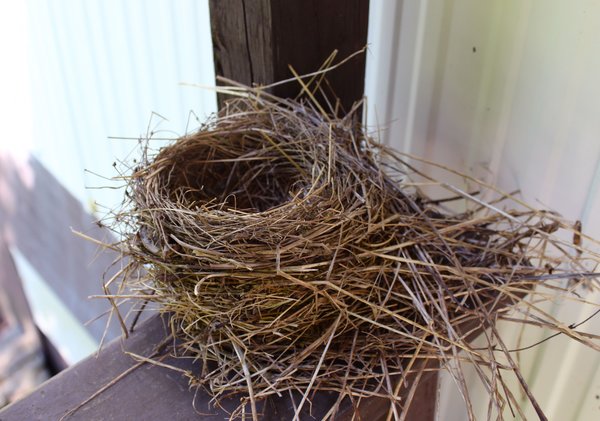
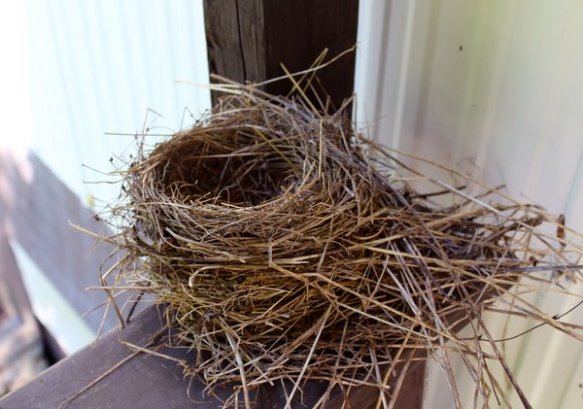
The hay in the back meadow is as high as my waist. We have not been here for three weeks and nature has encroached on us from all sides. My mind is on the little nest of newborn robins. It was sitting right on the bannister of the porch inches away from the front door. Inside were three newly hatched baby birds. They were naked with only tufts of bright yellow fluff on their heads and their eyes still shut under bulging blue lids. I peer inside the nest and they sense my presence. They blindly stretch their necks out and open their yellow-rimmed beaks towards me to be fed.

rforest_circle_hipstamaticRev

I think we must move the nest. I cannot imagine that the mother will sit on it inches away from the opening and closing of a front door and at waist height of the back and forth of humans and dogs. I decide to move it to another bannister just a little further away from the front door with the hope that the mother will feel safe enough to continue tending her nest. We see her flitting from one branch to another crying piteously. We shoo the dogs into the house and decide to go into town early to give the mother peace and quiet so she can find her nest.

Once in town, I call Oona, who knows a lot about animals after having watched countless hours of Animal Planet. She thinks we did the right thing and that the mother will find them. Frank says that the nest is not secure on the new bannister and will blow over in the wind. He wants to hammer some nails into the bannister to create a support system. I think that will scare the mother more. Over dinner, we argue the merits of over wire versus nails for a nest supporting system. I think about how involved we are in what is such a small matter when you think about the suffering in the world. But, you can’t help but respect the maternal instinct no matter whose it is. And, we want nature to succeed.
rsz_robin_nest

When we return, Frank peers into the nest and says, “They are almost dead.” The baby birds do not make it. She picked a bad spot. Maybe she was a new mother without experience, that she would build a nest so low and within a human structure. Later, I read that mother robins have “nest fidelity” which means that they memorize their nest as they build and if you move it, they will not recognize that nest as theirs.

It is now 8:30pm and it is still full light out as we approach the summer solstice. There are two robins in the grass outside my window. I watch them hopping around hunting bugs. They fly off in the direction of where we relocated the nest. Maybe they will try again this season. It is still spring.

UPDATE: Two weeks later we return and see a mother robin sitting on a nest under the eave of the shed. She is sitting on an old nest that had been there unused for at least a year. I think it is our mother robin. I think that she used the old nest because she did not have time to build a new one. This time, she is successful.

violets, part I: a mother’s day story

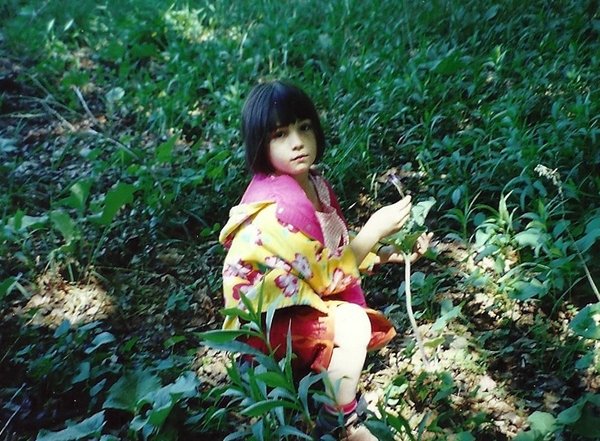
The day begins with violets. The tradition of picking violets for my mother started when my first nephew was four years old, long before I was a mother myself. One early Mother’s Day morning, I took Luis José to walk my parent’s dogs in the neighborhood park. The park had a section that was ignored by the landscapers and thus was wild and beautiful. On the edges of the manicured sports fields and running track, there was a small forest with big boulders spread around. Luis José loved to climb the smooth rocks that felt gigantic to him. There was a well-worn dirt path that ran down into the park from the tiny forest. It ran down and then up, like a roller coaster track. It was great fun to run down at full speed and so Luis José, the dogs and me ran down and suddenly found ourselves in a leafy hollow that was filled with wild violets. We waded into the greenery and starting picking. Luis José, with his brown eyes smiling, proudly marched home holding two fat bouquets of the delicate flowers, one for his mother and one for his grandmother. The hunt for wild violets in the park on Mother’s Day morning became a tradition and when his little sisters and my own daughters were born, they all joined in.
Camelia_OonaVioletsRaw_ff

rsz_camelia_violets

rsz_oona_violets

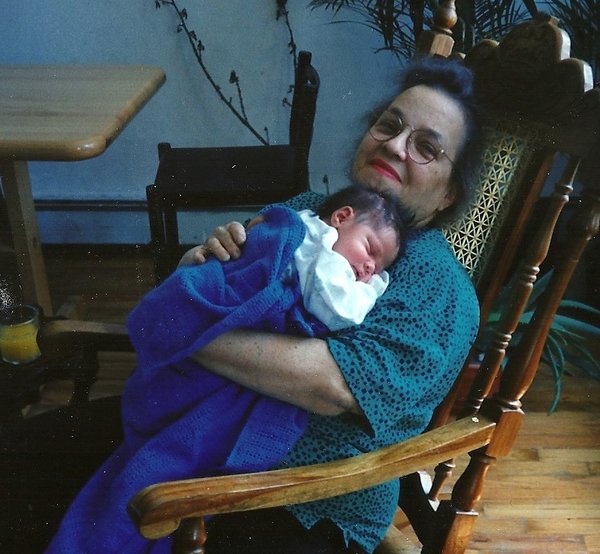
I taught the children how to pick the flower from the bottom so that the stems would be nice and long. They children searched for the hidden violets in the ivy-covered hollow, shouting out to each other when they found a particulary abundant cluster. The older cousins would help the littlest ones so that they would have a respectable bunch to present to those of the matriarchal line. My mother was the number one recipient of the floral booty. Everyone understood that the violets were meant for her. She was top mom. She got the most. The other mothers got a gesture.

Camelia_Violets2

rsz_oonabehindleaf

My mother had a wooden corner cupboard with glass windows where she kept her best china and crystal. She was very proud of that cupboard. It was an extravagance that she purchased as a newly arrived immigrant. Every morning on her way to work, she’d walked past a furniture store and admired that cupboard. So, she made a deal with the storeowner and gave him five dollars every week from her paycheck behind by father’s back until it was paid for. She brought it home and filled it with the things that she thought were the most beautiful.

The little band of cousins would return from the park with fists full of violets. The children burst into the house and clustered around their grandmother offering up their bouquets of white and purple wild violets. My mother would go to her wooden cupboard and ceremoniously pull out her crystal champagne flutes and place each child’s bouquet in one. She would then set them all in a row on the dining room table where the sunlight would catch the etchings in the crystal flutes holding the gifts of violets. Happy Mother’s Day.

rsz_grandmother_child

spring flowering in orchard alley

It’s been the longest winter. We were wearing winter coats last week. Recently there were a couple of days where it went up to the mid-seventies and I saw girls walking around in shorts and people broke out their sandals not even caring that they hadn’t had a pedicure. Then the next day we were back in scaves and mittens, the sky was grey and the wind was biting your face. We’ve been so wishful and optimistic. I broke out my new yellow spring biking jacket on a sunny morning only to tie a sweater from work  around my neck as a make-shift scarf for the bike ride home.

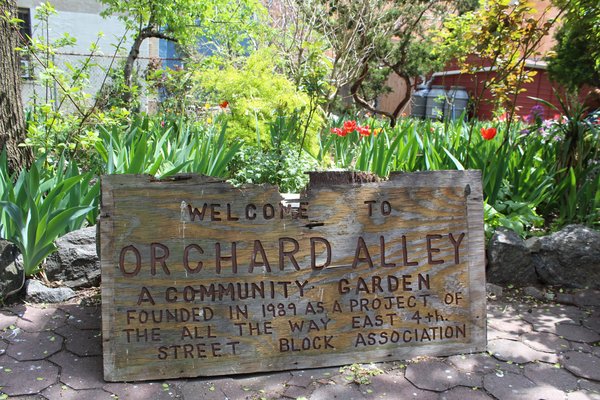
Nevertheless, nature will not be held back and there is a flowering in spite of the cool weather. I took these photos in Orchard Alley, a community garden on East 4th Street with my new camera that I’m learning to use. The garden was tranquil despite it being a beautiful Sunday afternoon. Two gardeners were happily digging in the dirt and two little girls slowly strolled on the brick paths and smelled the newborn flowers.

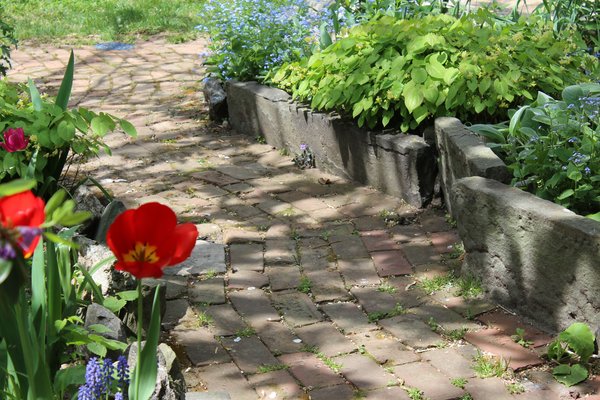
Orchard Alley is peaceful jewel-like garden with brick paths and garden beds constructed with rocks from the rubble left behind. I remember it when it was a shanty town in the early nineties, rows and rows of structures in grey dust. The gardeners, the people who are compelled to make something out of nothing, put their hands on it and now it is a splotch of green in an urban landscape. If you walk past the garden in the early morning, right before dawn, you will hear a symphony of birds who sleep in a giant bamboo. Their chattering to each other when they rise, is so loud, so sonorous and so extraordinary in New York City that you have to blink and look around to remember where you are.

Orchard Alley community garden

Orchard Alley community garden

Paths made from brick salvaged from fallen tenements

Paths made from brick salvaged from fallen tenements

rsz_orchardalley_sign

rsz_orchardalley_littlegirl-1

early spring knitting

Early spring in the mountains of the northeast usually means there is still a layer of snow on the ground. The melting snow is soft and slushy. The sunlight is bright and golden, robust enough to bring forth new life. Not like the brittle, fragile light of high winter – fleeting and gone so early in the day. The air is cool but not cold. It is a good time for wearing just a shawl. A shawl that you can wrap around to leave your hands free for work by tying it at your back.
Oona in her Tess of the d'Urbervilles Shawl

Oona in her Tess of the d’Urbervilles Shawl

The corners are long enough so that you can wrap the shawl around your waist and tie it in the back - leaving your hands free.

The corners are long enough so that you can wrap the shawl around your waist and tie it in the back – leaving your hands free.

Oona likes wraps and old-fashioned things and so I made this springtime shawl for her. Knit & crochet designer Kay Meadors very generously makes her Tess of the d’Urbervilles Shawl pattern available for a free download on Ravelry (if you knit and you aren’t already a member of Ravelry, do it, you’ll love it). I used a machine wash & dry pure wool yarn – Cascade 220 Superwash. The color is Spring Night. It was a fun and easy shawl to make.

Early spring also means newly shorn sheep and new lambs. These twins are one day old here.

Early spring also means newly shorn sheep and new lambs. These twins are one day old here.

The photos were taken with the Hipstamatic app using their new Mabel lens and Dixie film.

chalk – remembering the victims of the triangle factory fire

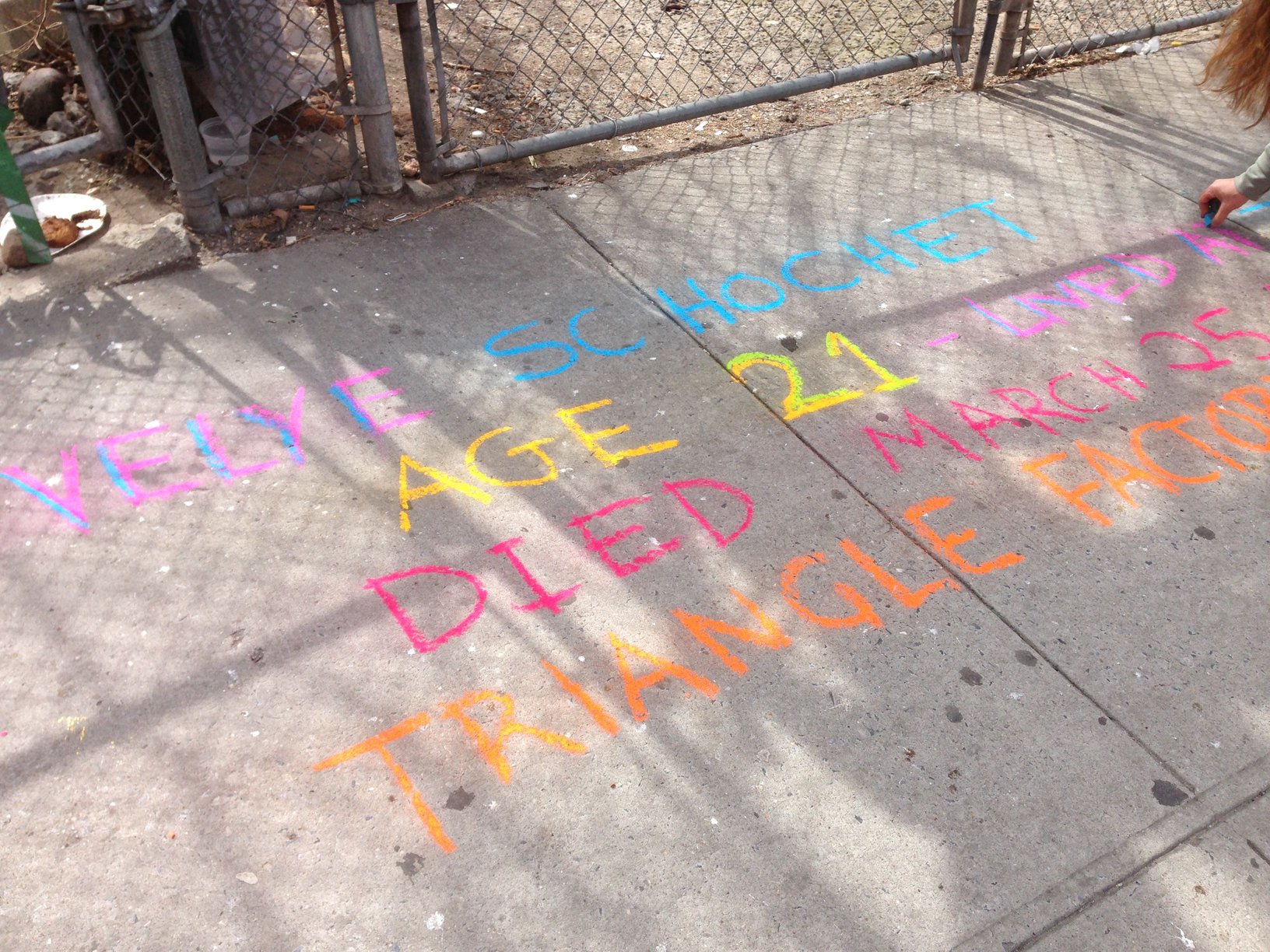
It was last year when I first saw the chalk memorials on the sidewalks. The colorful and almost cheerful lettering screamed from the ground with its details. The age of the victim, young and on the cusp of adulthood. The memorials were written on the sidewalk in front of their former homes. As you stand there and read, you are thinking “she walked out of this very apartment building on her last morning at the start of spring with her whole life ahead of her”.

Because of the concentration of immigrants in our neighborhood during the Industrial Revolution, the childlike memorials are everywhere on our streets. Especially sad are the chalk memorials of sisters, where two or even three of the teenagers and young women of the family perished in the fire at the Triangle Waist Factory on March 25, 1911.

The fire claimed the lives of 146 garment workers, mostly young women and girls who toiled in unsafe conditions sewing the Gibson Girl shirtwaists that were fashionable at the time. They were the victims of greed. Doors leading to staircases were locked “to prevent theft”. Escape routes were blocked and the firemen’s ladders could not reach them. Many trapped and panicked workers jumped to their deaths from the windows with their hair and clothes ablaze.

The tragedy horrified the city and galvanized a movement for worker’s rights. Every year, artist Ruth Sergel organizes volunteers draw the chalk memorials. To learn more about the Triangle Waist Company Fire go here. To learn more about the Chalk memorials and to volunteer for 2014 go here.

This was my first year participating and these are the memorials my friend Katy and I drew.

Ida Pearl, 20 years old was born in Russia. She was a union member.

Ida Pearl

Ida Pearl

Fannie Rosen, 21 years old. Born in Russia. Had started working at the Triangle factory two days earlier.

Fannie Rosen

Fannie Rosen

Velye Schochet, 21 years old, was born in Germany. She was a union member.

Velye Schochet

Velye Schochet

Annie Pack, 18 years old, was born in Austria. She was a union member.

Annie Pack

Annie Pack

how to repair a plaster frame

When I set out to do this blog, I wanted it to nudge me to do projects to beautify and organize my family’s living space. You have to lay your hands on your home.

This beautiful old plaster framed mirror has been hanging in my bedroom for a few months now. The gilded frame is faded and dull and like many of these delicate plaster frames, it was chipped in several spots. I’d purchased it at a yard sale upstate for five bucks. I love yard sales and I always think that when I drive around upstate, I should have a bumper sticker that reads, “I brake for small animals, sticks/big leaves and yard sales”.

chip damage

chip damage

I repaired the chips by using Sculpey clay as a mold. This modeling clay bakes in the oven and does not make a mess. When my girls were little, we made all the dinnerware and fake food for their dollhouse from colored Sculpey clay.

The repair was easy. I placed the Sculpey clay over the same pattern in the frame of the little chunk that was missing to create a mold.

find the piece in the pattern that is missing and make a mold

find the piece in the pattern that is missing and make a mold

I baked the molds in the oven on a piece of foil according to the instructions. Then I took soft clay and pushed it into the mold. I carefully took the soft piece out of the mold so that it kept its shape and baked it.

the mold and the piece made from the mold

the mold and the piece made from the mold

The final step is to glue the new piece to the frame with household cement. Now all that is left is to paint the repaired frame.