The apartment is a 800 square foot one bedroom (which we made into a two bedroom). It has a history. It is situated in New York’s East Village – really in Loisaida, which is a term that is credited to the poet, community activist, playwright and teacher Bimbo Rivas in his 1974 poem “Loisaida”. It is thought to be the pronunciation of a native Spanish speaker of “Lower East Side”. Avenue C is now Loisaida Avenue.
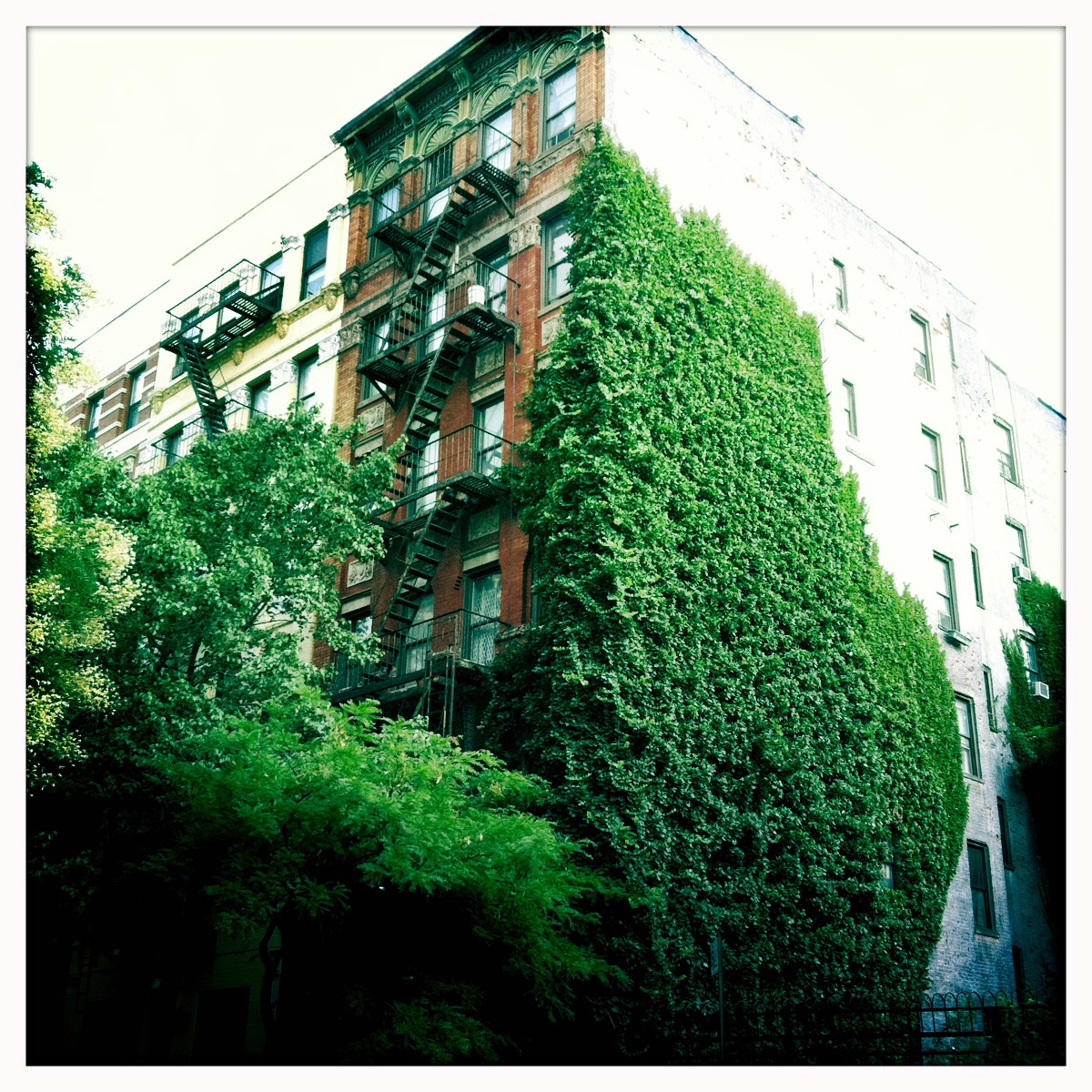
We started out as squatters at the height of the “Take Back the Land” movement of the 70s and 80s when landlords were burning down their buildings to collect the insurance money in the marginalized neighborhoods of a bankrupt city. Ours was a burnt out abandoned building. Majestic in size, our building is wide and expansive, not like the narrow tenement buildings so common in our historically immigrant neighborhood. Our hallways are wide and our apartments too, not like the more common railroad flats. When neighborhoods were more segregated, the community’s middle class could not move out to the suburbs but stayed put within their ghetto. There are buildings and entire blocks in our neighborhood that were obviously the homes of the doctors, lawyers and religious leaders of the community. There was a doctor’s office on our building’s first floor. We had to rip out the subway tile that lined the walls from floor to ceiling. The doctor probably lived upstairs.
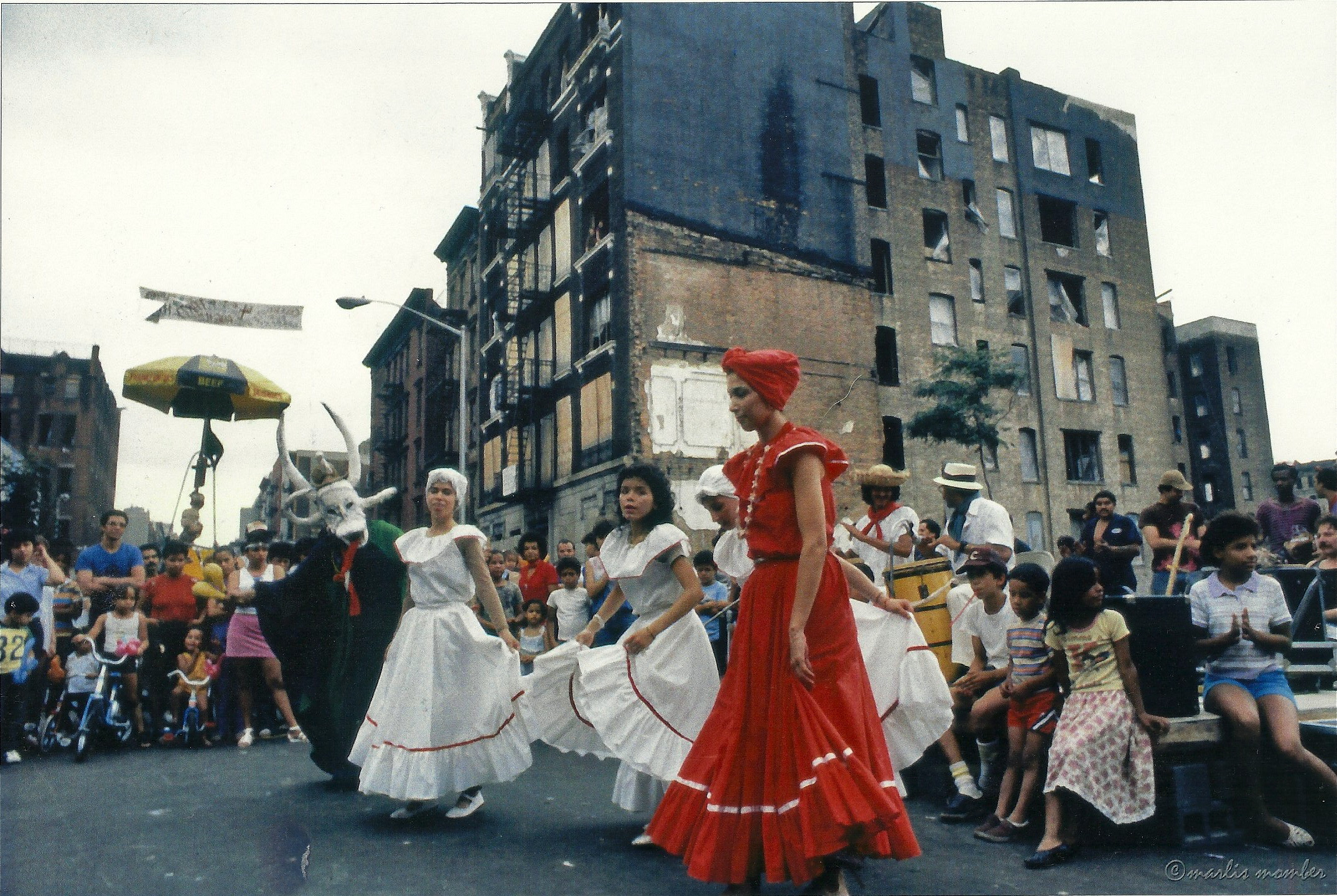
In the early eighties, the neighborhood landscape was that of a bombed out city. Landlords burned and abandoned their properties. Residents went without basic services like heat and water. Entire areas were abandoned by government. There began a movement to take back the land in every respect. People took over their own buildings that landlords had stopped lording over and started managing themselves. People took over abandoned burnt buildings and rebuilt them. People took over empty lots and turned them into gardens. People took over abandoned schools and turned them into cultural centers. People took over abandoned banks and turned them into community banks that lent money to the homesteaders that took over the abandoned buildings.
When I came to my building, the group that had seized it had already been working for a few months and had just finished clearing out the debris. When I came in October of 1980 we were starting the job of replacing beams and floors. It took us 12 years of working every weekend to finish rebuilding. We are twenty families – we had to stay cohesive as a group. We had to shape and respect a democratic collective process. We were also part of a movement. We were connected and in solidarity with all of the other players that were rising up out of the ashes in the neighborhood.

festival in the mid 80s with our building under construction in the background. Photo by Marlis Momber - vivaloisaida.org













 Loisaida Nest